

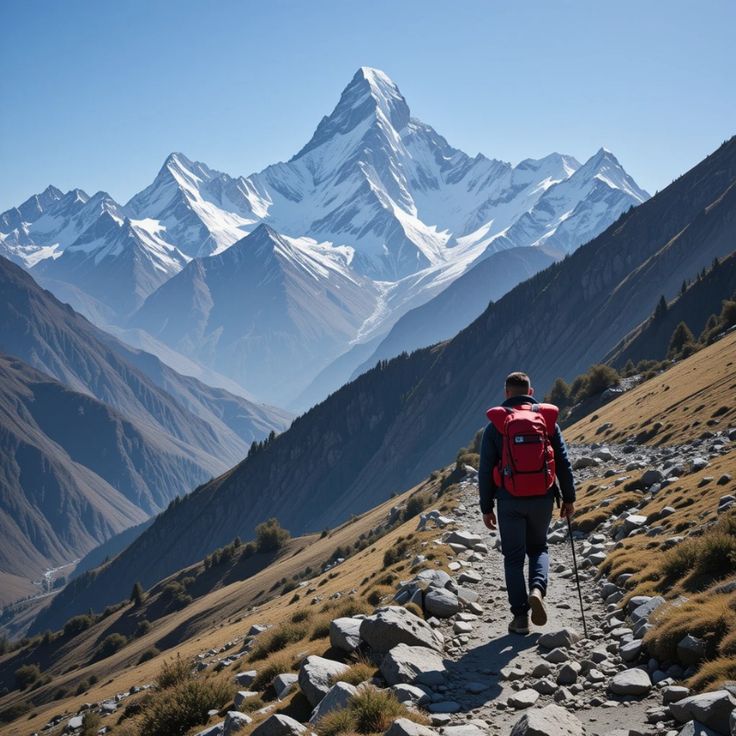
High-Altitude Adventure
Have you ever dreamed of standing among the world’s highest peaks, breathing in thin, crisp air, and witnessing landscapes that seem to belong to another planet? The Himalayas—stretching across Nepal, India, Bhutan, Tibet, and Pakistan—offer some of the most breathtaking and life-changing trekking experiences on Earth. But if you’re new to high-altitude hiking, the idea can feel intimidating. Where do you start? How do you prepare? Is it safe?
This guide is designed to answer all those questions and more. Whether you’re drawn to the legendary trails of Nepal or the serene paths of the Indian Himalaya, this beginner’s guide will walk you through everything you need to know to plan, prepare for, and successfully complete your first Himalayan trek.
Why Trek the Himalayas?
Before diving into the how, let’s explore the why. Trekking in the Himalayas isn’t just about physical challenge—it’s a holistic journey. Here’s what makes it special:
- Unmatched Scenery: From lush rhododendron forests and terraced farmlands to glacial valleys and snow-dusted passes over 5,000 meters, the visual rewards are endless.
- Rich Cultural Encounters: You’ll pass through remote villages, visit ancient monasteries, and stay in family-run teahouses where hospitality is a way of life.
- A True Personal Achievement: Completing a multi-day trek at high altitude builds mental resilience and leaves you with a profound sense of accomplishment.
Choosing Your First Himalayan Trek
Selecting the right trek is crucial for an enjoyable first experience. You want something scenic, well-trodden, and suitable for beginners. Here are five fantastic options:
1. Everest Base Camp Trek, Nepal
- Why it’s great for beginners: Yes, it’s iconic—but it’s also well-supported with teahouses, gradual climbs, and a clear trail. The sense of standing in the shadow of Everest is unparalleled.
- Key details: 12–14 days, max altitude ~5,364m, teahouse accommodation.
2. Annapurna Base Camp Trek, Nepal
- Why it’s great for beginners: Less extreme altitude than EBC, stunning diversity (forests, villages, mountain vistas), and well-established infrastructure.
- Key details: 7–10 days, max altitude ~4,130m, teahouse accommodation.
3. Langtang Valley Trek, Nepal
- Why it’s great for beginners: Closer to Kathmandu, less crowded, and deeply cultural with Tamang and Tibetan influences.
- Key details: 7–8 days, max altitude ~4,984m, teahouse accommodation.
4. Hampta Pass Trek, India
- Why it’s great for beginners: A stunning crossover trek from the green Kullu Valley to the barren Lahaul region—great for experiencing a high-altitude pass.
- Key details: 4–5 days, max altitude ~4,270m, camping/guesthouse stays.
5. Nag Tibba Trek, India
- Why it’s great for beginners: A short, sweet introduction often called the “best weekend trek in the Himalayas.” Perfect for testing your legs and gear.
- Key details: 2 days, max altitude ~3,022m, camping/homestays.
Tip: Use terms like “beginner-friendly Himalayan treks,” “teahouse trekking Nepal,” or “easy Himalayan trails” when researching to find the best match for you.
When to Go: Timing Your Trek
Weather in the Himalayas can make or break your experience. The two best windows are:
- Pre-monsoon (March to May): Spring blooms, moderate temperatures, clear skies.
- Post-monsoon (October to November): Stable weather, excellent visibility, crisp air.
Avoid monsoon (June–September) due to rain and landslides, and deep winter (December–February) unless you’re prepared for extreme cold.
Physical and Mental Preparation
You don’t need to be an athlete, but you do need to be in good shape.
- Cardio training: Hike, run, cycle, or stair-climb 4–5 times a week for at least 60 minutes.
- Strength work: Focus on legs (lunges, squats) and core.
- Practice hikes: Do weekend hikes with a loaded backpack.
- Mental readiness: Embrace simplicity, patience, and the unpredictability of mountain life.
Essential Gear Checklist
Packing smart is non-negotiable. Here’s what you’ll need:
Footwear:
- Sturdy, broken-in hiking boots
- Comfortable camp shoes/sandals
Clothing (Layering is key):
- Moisture-wicking base layers
- Insulating mid-layers (fleece/down jacket)
- Waterproof/windproof outer shell
- Quick-dry trekking pants
- Thermal socks, sun hat, beanie, gloves
Gear:
- 40–60L backpack with rain cover
- Sleeping bag (rated for -10°C or lower)
- Trekking poles
- Headlamp with extra batteries
- Water purification tablets or filter
- Sunscreen, lip balm, sunglasses
Pro tip: You can rent heavier items like sleeping bags and down jackets in Kathmandu or Manali.
Understanding Altitude Sickness
Acute Mountain Sickness (AMS) is a real risk. Symptoms include headache, nausea, dizziness, and fatigue.
Prevention strategies:
- Ascend slowly—no more than 300–500m in sleeping altitude per day above 3,000m.
- Stay hydrated (3–4 liters of water daily).
- Eat well and avoid alcohol.
- Listen to your body—if symptoms worsen, descend immediately.
On the Trail: Etiquette and Culture
- Teahouse life: In Nepal, you’ll sleep in simple lodges. Meals are communal, and warmth comes from shared stories.
- Respect local customs: Dress modestly, ask before photographing people, walk clockwise around religious structures.
- Leave no trace: Carry out all trash, including biodegradable items.
Logistical Must-Knows
- Permits: Most treks require permits (e.g., TIMS in Nepal, Inner Line Permits in India). These are often arranged by your guide/agency.
- Guided vs. independent: For beginners, a guided trek is highly recommended. Guides handle logistics, provide safety, and enrich the experience with local knowledge.
- Budget: Include flights, gear, permits, guide/porter services, food, lodging, travel insurance (with evacuation coverage), and a buffer for emergencies.
- Insurance: Ensure your policy covers high-altitude trekking and helicopter evacuation.
Final Thoughts
Hiking the Himalayas as a beginner is absolutely achievable—with the right preparation, mindset, and respect for the mountains. It’s a journey that challenges the body, expands the mind, and touches the soul.
Your adventure awaits among the highest peaks on Earth. Take that first step, plan carefully, trek responsibly, and prepare for an experience you’ll carry with you forever.
Ready to begin? Share your dream trek or ask your questions in the comments below!
